Golden Triangle with Indian Wildlife Safari Tour
From: Delhi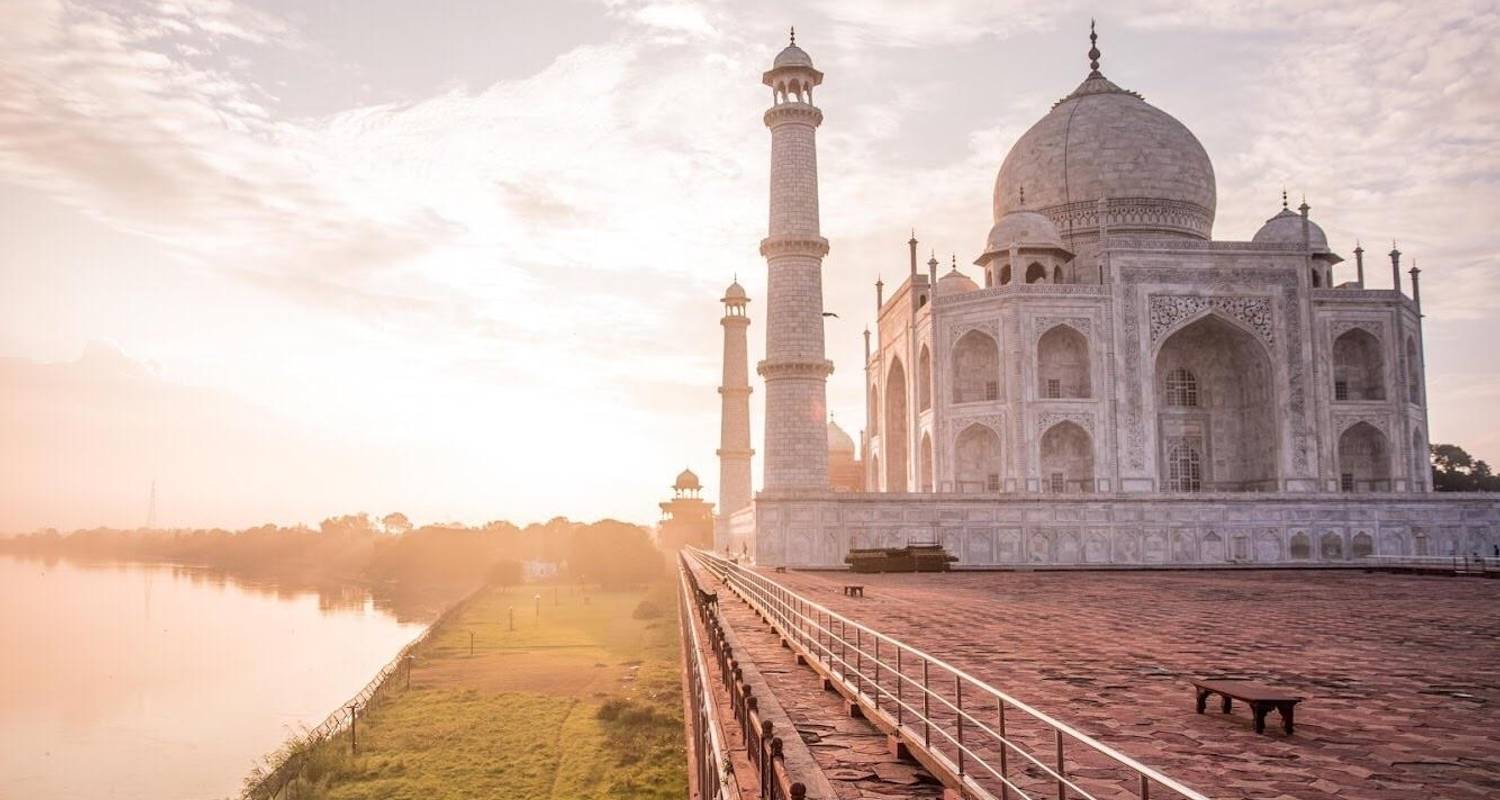
Golden Triangle with Indian Wildlife Safari Tour
From: Delhi
Golden Triangle with Indian Wildlife Safari Tour
From: Delhi
Golden Triangle with Indian Wildlife Safari Tour
From: Delhi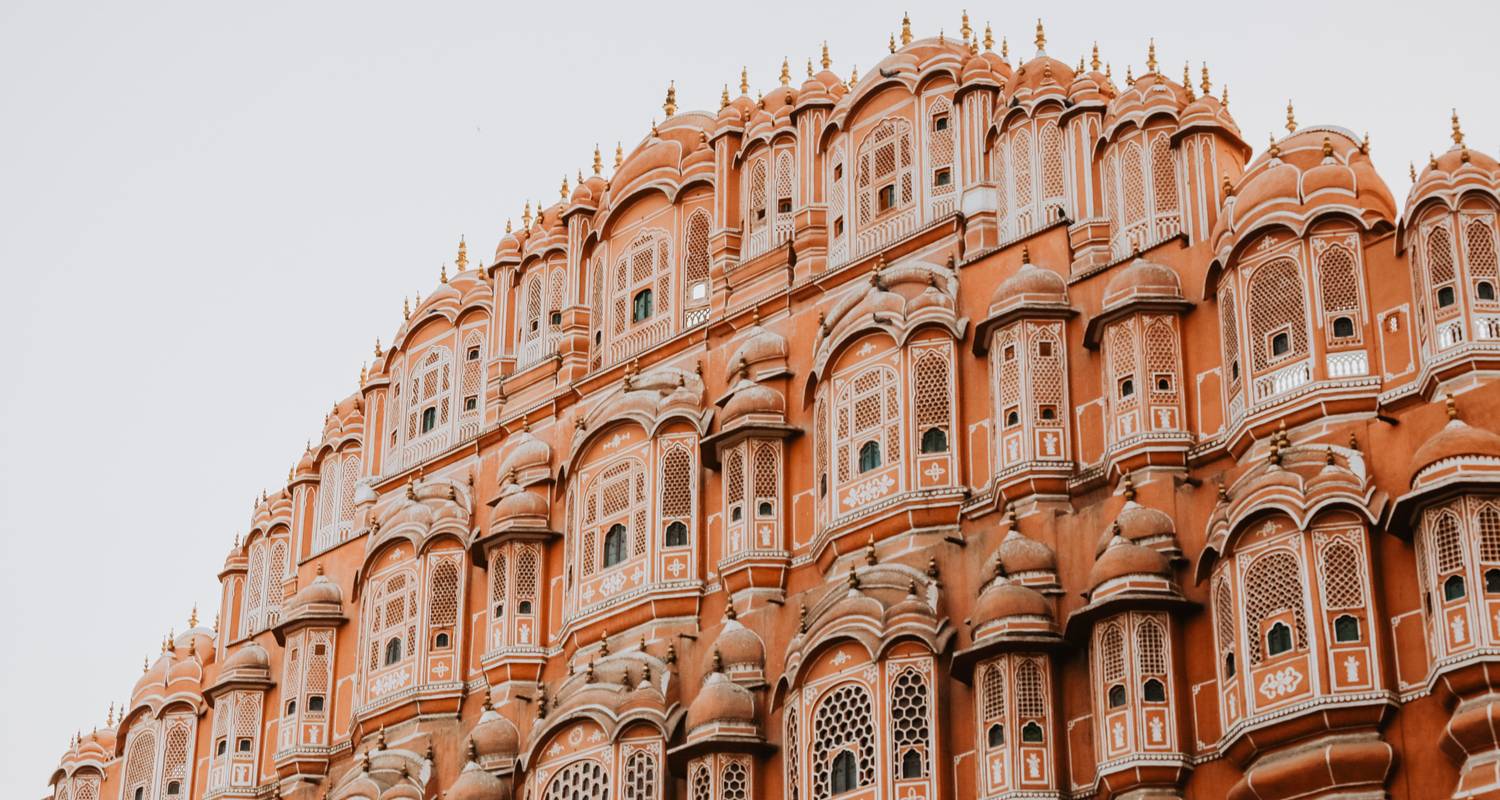
Golden Triangle with Indian Wildlife Safari Tour
From: Delhi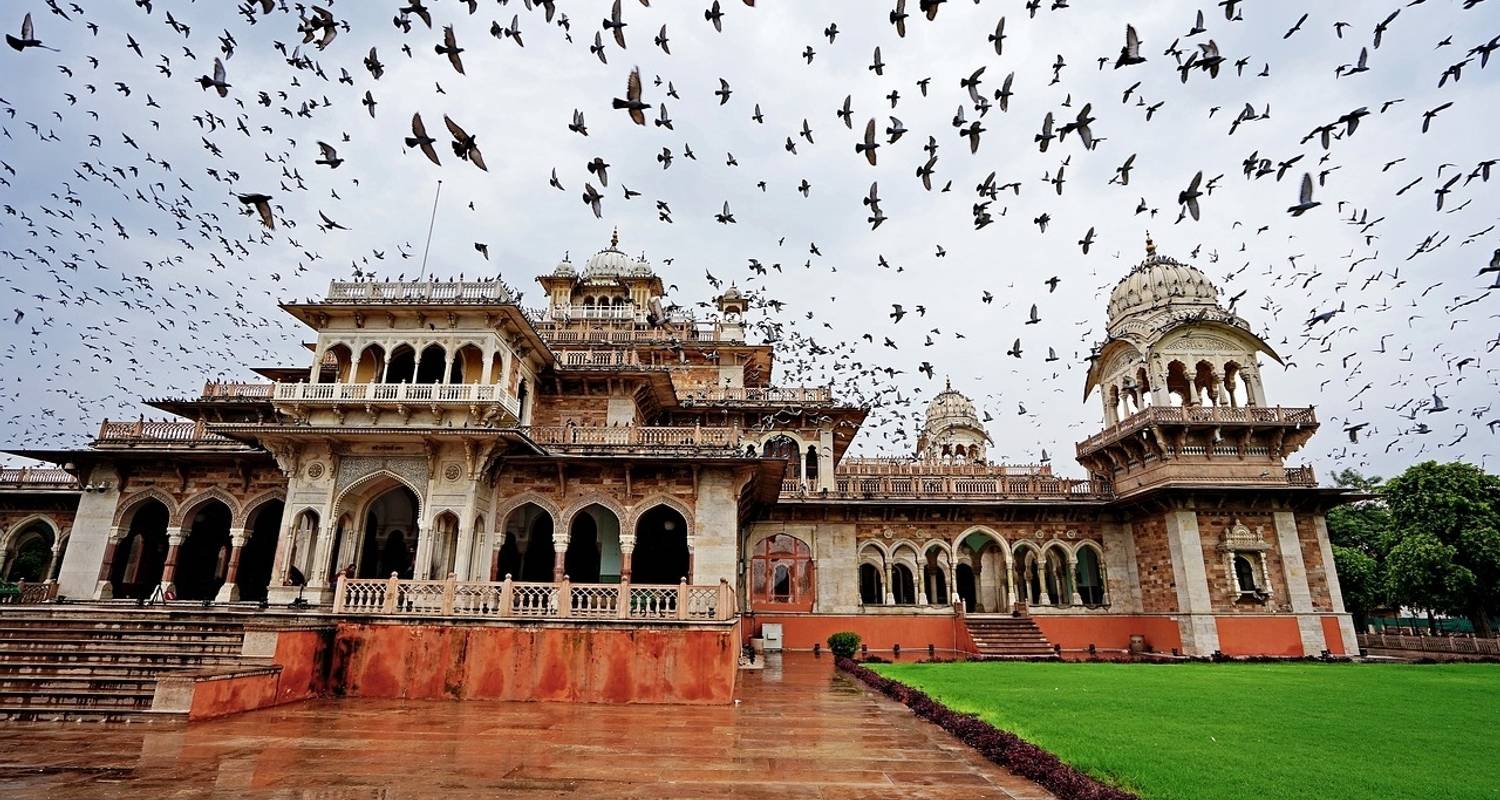
Golden Triangle with Indian Wildlife Safari Tour
From: Delhi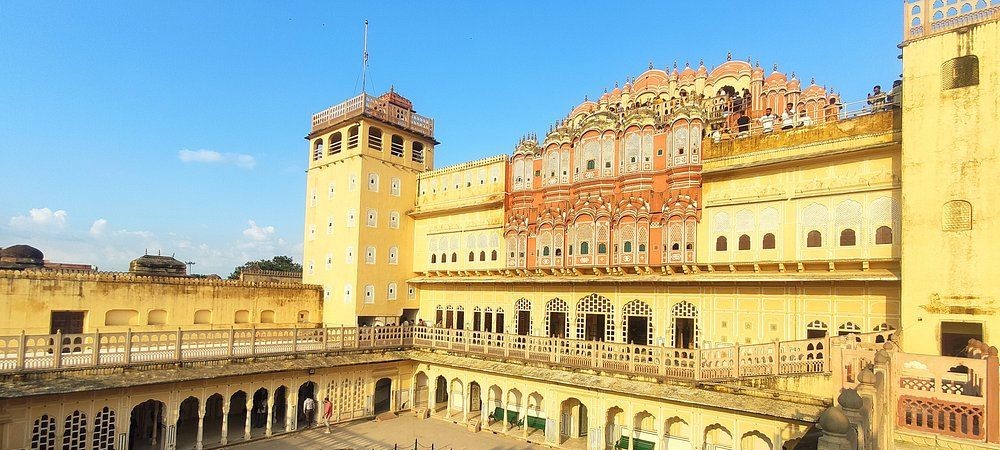
Golden Triangle with Indian Wildlife Safari Tour
From: Delhi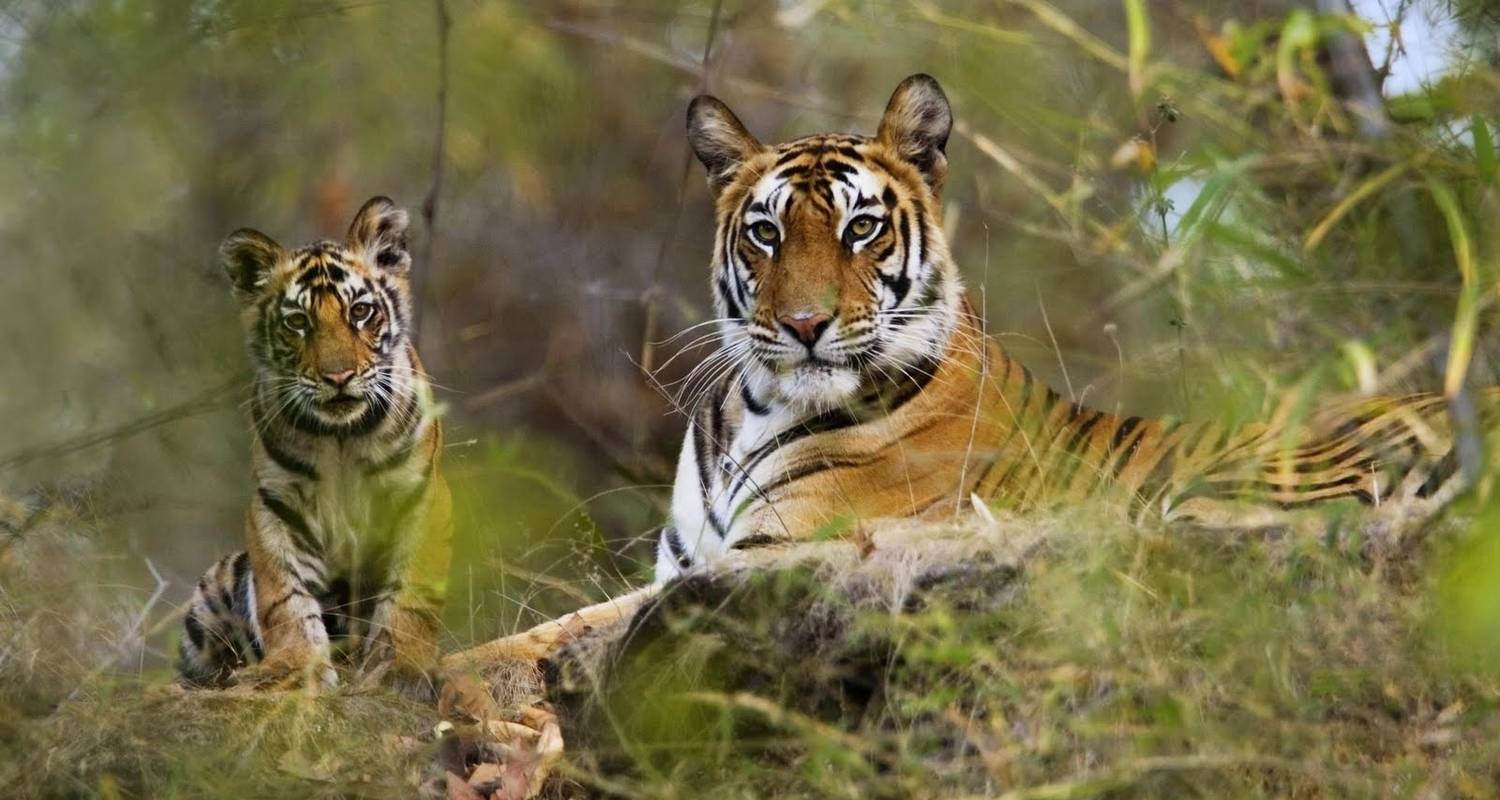
Golden Triangle with Indian Wildlife Safari Tour
From: Delhi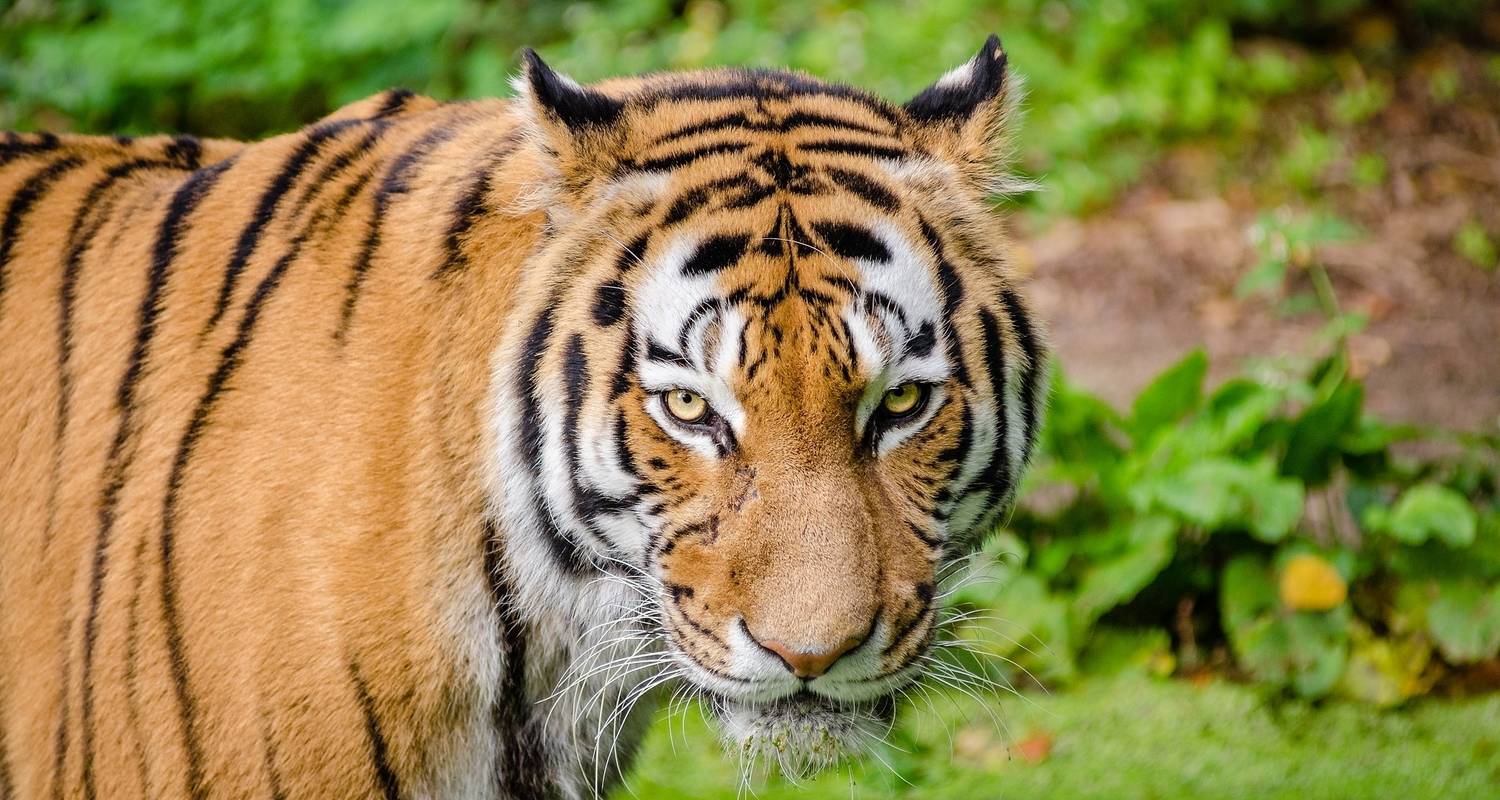
Golden Triangle with Indian Wildlife Safari Tour
From: Delhi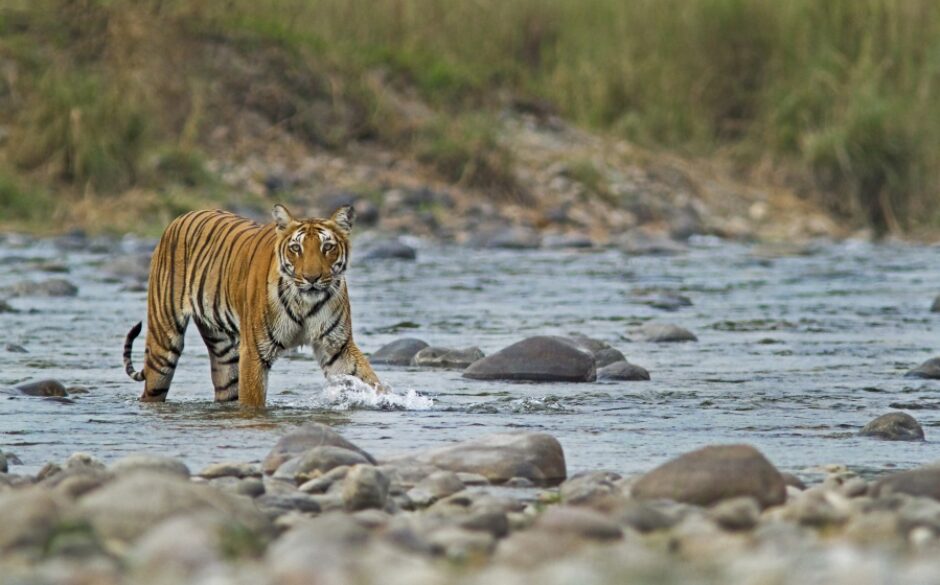
Golden Triangle with Indian Wildlife Safari Tour
From: Delhi- Home
- Group Tour
- Golden Triangle with Indian Wildlife Safari Tour
Golden Triangle with Indian Wildlife Safari Tour
The "Golden Triangle" in India is unquestionably the most popular and sought-after travel destination in the nation. Every year, more than 20 million people go there. This is the case for the straightforward reason that India's three most important cities Delhi, Agra, and Jaipur are encircled by breathtaking natural environment.
When you combine the urban charm of these cities with the nearby national reserves and wildlife hotspots, the tour becomes even more exciting. Even though each of these three cities has its own distinct constructed architecture and breathtaking views, the visit is made even more exciting when you mix the two.
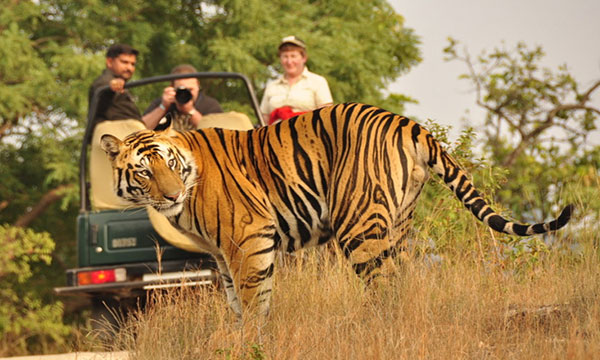
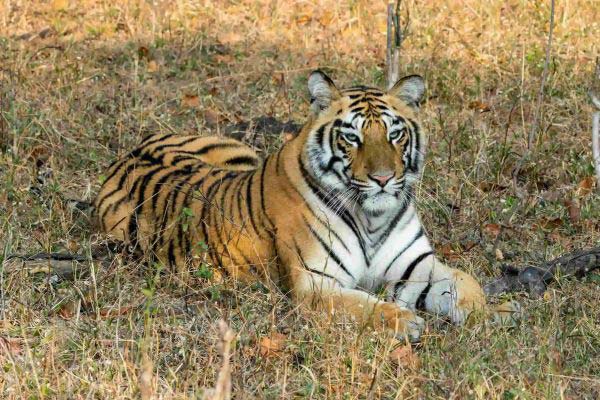
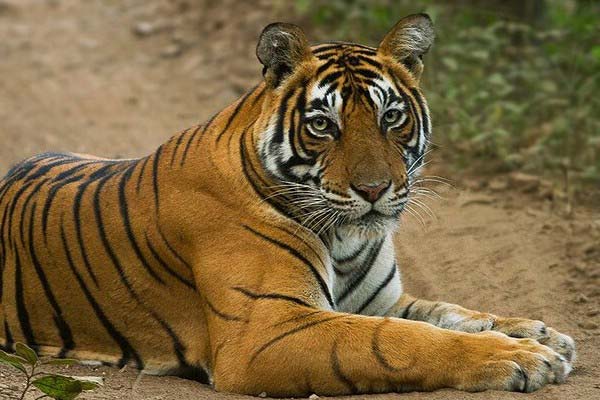
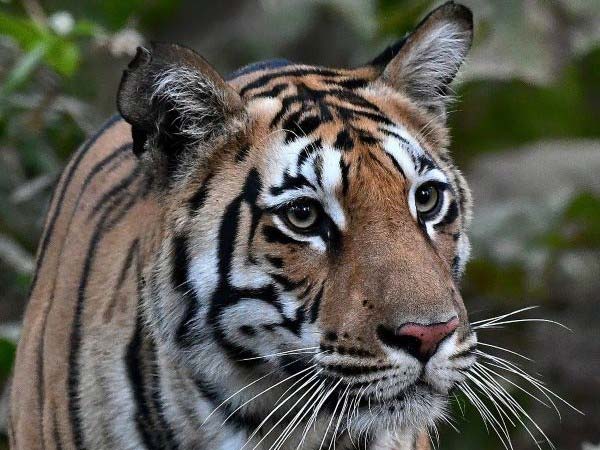
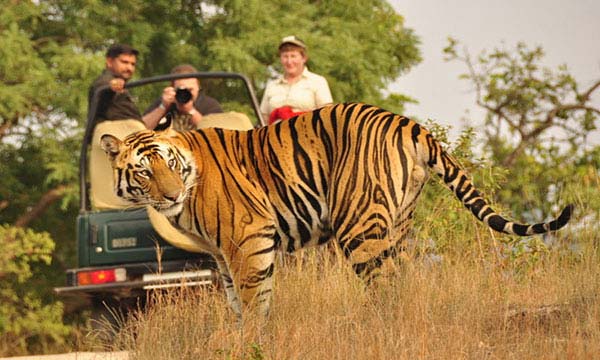
Five of India's most well-known and adored national parks - Bandhavgarh, Ranthambore, Pench, Kanha, and Corbett will be visited on your journey around the triangle. In some way, each of these parks is unique. Whether it's the variety of outdoor activities or the potential flora and fauna, every park has something special to offer. Naturally, there is no way to completely avoid the tiger safari experience. Take a jeep trip to get a better view of the natural riches around you.
- Taj Mahal remains closed on Fridays.
- Bookings are subject to availability with the hotel.
- Cancellation charges as per company policy.
- Room category in all packages are the base category rooms.
- Package rates are subject to change without any prior notice.
- Elephant ride in Jaipur is subject to availability of elephants.
- Check-In 1400 hrs and Check-Out time is 1200 hrs noon at all the hotels.
- Tour also operated in French, German, Spanish, Portuguese, Italian, Russian, and Japanese languages.
- The guest must carry photo identification like Passport IN ORIGINAL at the point of check-in at the hotel.
- In case of waitlisted booking we have to hold the alternate, for which we will advice the supplement OR reduction accordingly.
- Christmas and New Year gala dinner charges are on direct pay basis at the hotel by guest.
- The above rates are based on presently prevailing taxes and entrances to the monuments. If there is any change, prices will also change accordingly.
- Customers are allowed to early check-in for a booking by paying extra charges to the hotel.
- Using AC Sedan Car (for 01-02 pax)
- Using AC Innova (03-04 Pax)
- Using AC Tempo (05-10 Pax)
- Meals served at hotel/restaurant are on fixed menu-basis and do not offer any soft drinks alcoholic or non-alcoholic beverages, or mineral water. A customer can directly purchase the same through additional spot payment.
Day 1: Arrival in New Delhi
A representative from our company will meet you at the New Delhi Airport. Along with helping you check in at the hotel, this person will ensure that your transfer to the hotel goes smoothly. You will receive all of the travel documents and be informed of their purpose.
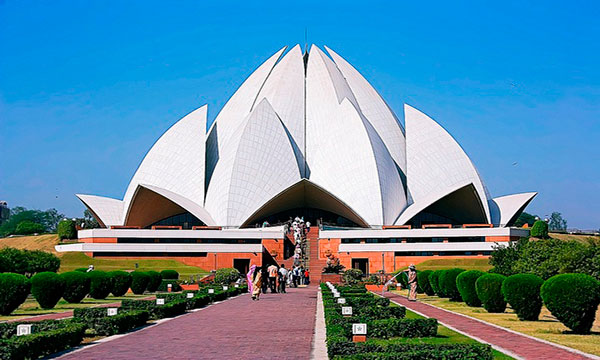
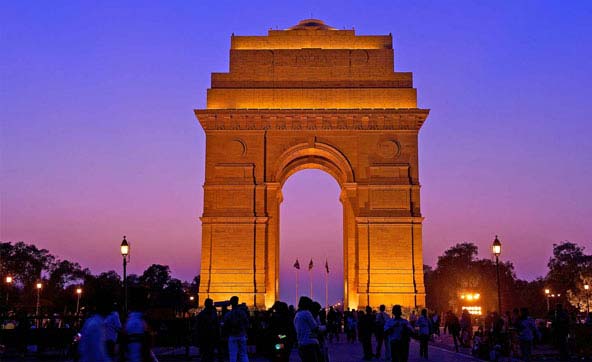
Later in the day, you'll spend around half a day on a tour of New Delhi. Admiring the breathtaking view of the Qutub Minar is essential. In India, an old stone minaret that is centuries old now has the title of "tallest stone tower in the world." Next, proceed to the war monument arch known as India Gate. You can then stroll past the impressive President's House, Parliament House, and Government Secretarial buildings as you make your way to Connaught Place, the center of New Delhi and a bustling business sector.
Day 2: Drive To Corbett National Park (170 Miles)
Checking out is the next step after a delicious breakfast. To get to Corbett National Park, drive there. If you drive this distance, it will take you five to six hours. It's 275 kilometers away. Our officials, a guide, and a driver will be waiting for you when you get to Corbett. Upon your arrival, they will help you transfer your belongings onto a safari jeep. This jeep will take you around 32 kilometers from the gate to the Dhikala Forest Lodge. Once lunch and check-in are finished, you will embark on a safari in the Dhikala Zone.
Go back when the sun sets. Both supper and overnight accommodations were offered by the Forest Rest House.
Day 3 & 4: Corbett National Park
Jim Corbett was a British tracker, hunter, conservationist, naturalist, and author. He wrote as well. His help was often called upon by the authorities to rid the United Provinces of the man-eating Tigers. His transformation occurred during these journeys. All those who are interested in the natural world should read his works. The seemingly simple exchange between "shooting a Tiger with the rifle" and "shooting a Tiger with a camera" has been deftly explained. It is quite uplifting to hear about his journey as a conservationist and the factors that led him to prioritize wildlife conservation above hunting. In honor of his outstanding contribution, the Indian government chose to rename the Ramganga National Park the Jim Corbett National Park.
Similar to all other national parks in the nation, Corbett National Park has multiple separate zones and gates. All of them are beautiful in their own right. However, you will find the most cinematic scenery in the Dhikala zone (you may call us biased if you like). There are a couple of extremely basic woodland rest houses in this area, equipped with the bare necessities. The statement that the sight is simply breathtakingly beautiful is not hyperbole. Picture yourself sleeping in the middle of a deep forest and waking up to the sight of new Tiger pug markings outside your cottage. There is nothing that compares to the exhilaration. However, the areas of Sultan, Khinanauli, Sarpaduli, Gairal, and Malani are equally beautiful and enchanting as Dhikala. They all possess a distinct charm and awe-inspiring attributes. The Shivalik Mountains add grandeur to the areas, just like the Ramganga River enhances the beauty of the landscape.
Jim Corbett National Park is one of the elements that make up the Terai Arch Landscape. The Terai region's tiger population is known to be cautious, and when observed, they usually escape the area right away. In the last several years, nevertheless, it seems that the trend is changing. As they get acclimated to their new environment, the tigers are starting to show up more frequently. There are fantastic photographic chances at every spot in Corbett, as well as on every route and backdrop.
Whether you are able to get your selected animal—the elephant or the tiger—on the track, your sense of happiness will soar.
In addition to the mammal species that draw people to this place, Corbett National place is home to about 535 different species of birds.
The safaris should be taken early in the morning and late at evening on both days. In addition to lodging, the Lodge will serve meals.
Day 5: Corbett National Park – Agra (192 miles/6 hour drive)
You must check out early in the morning after breakfast. Make your way 310 kilometers to Agra by car. It should take you about six hours to do this. Arrive in Agra by the latest in the afternoon. Enjoy the day as you see fit. In Agra, a hotel for dinner and overnight stay.
Day 6 : Agra - Ranthambore
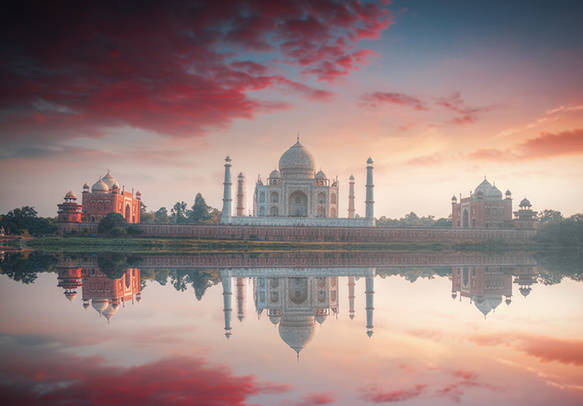
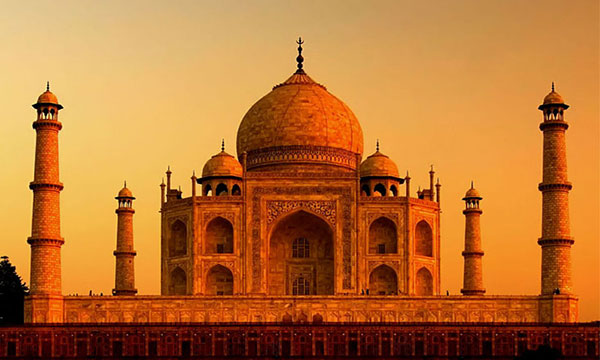
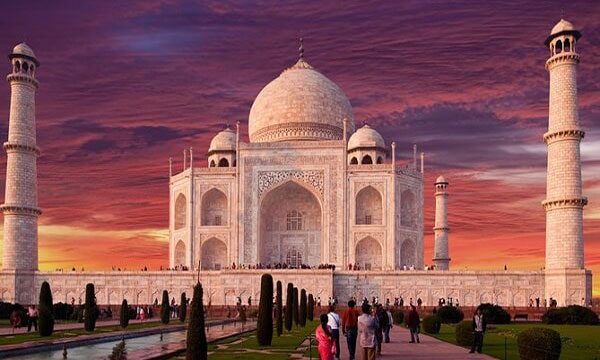
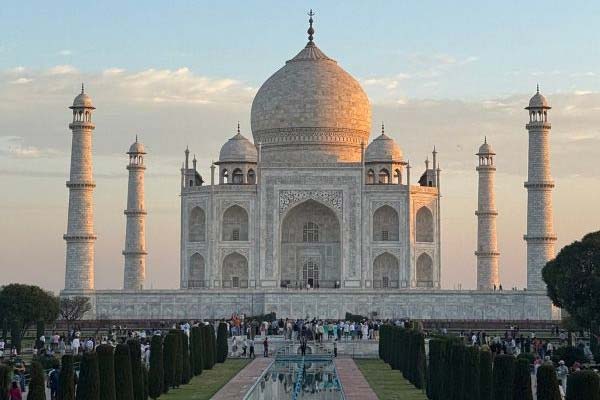
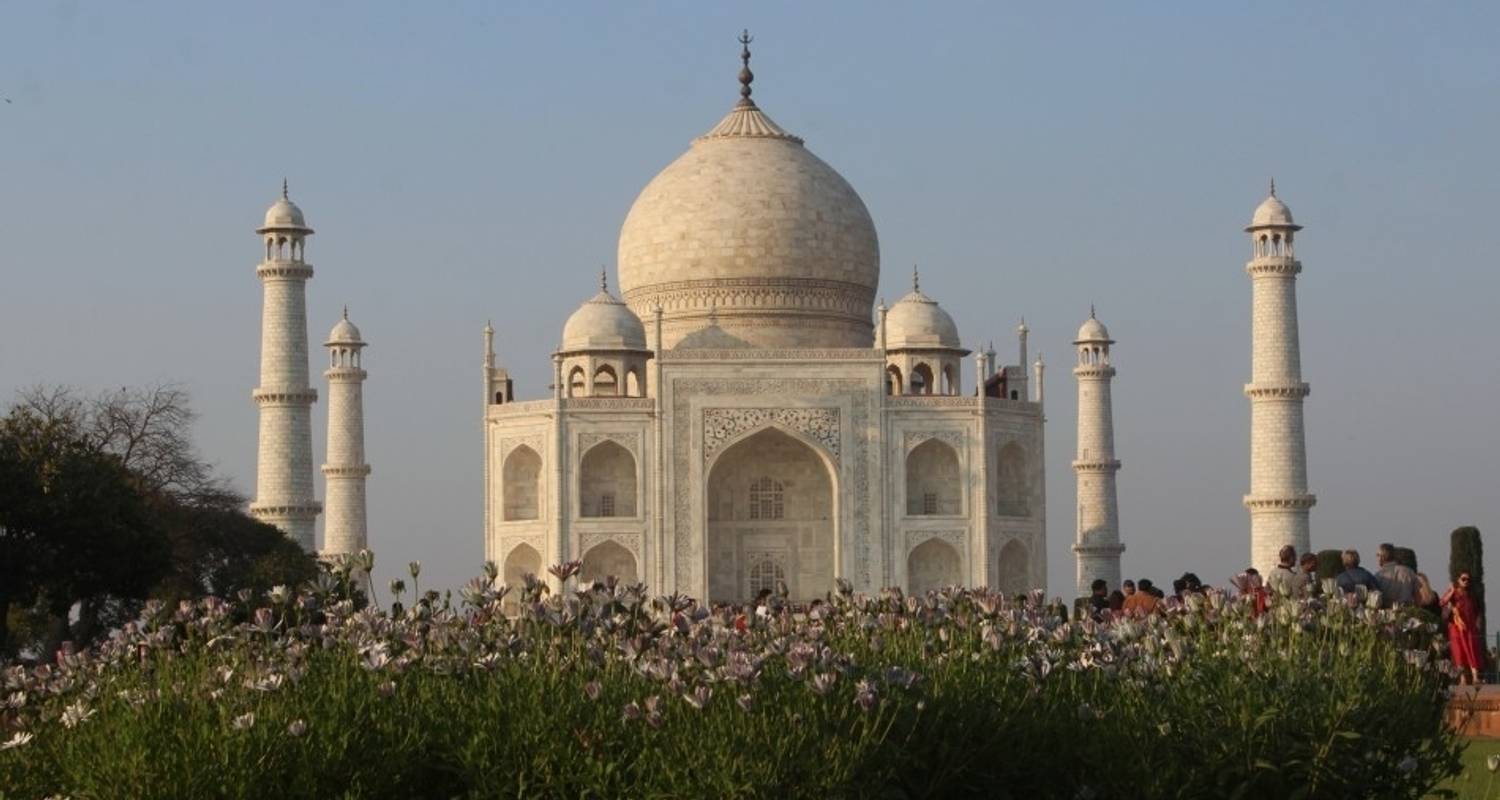
The following morning, take in the breathtaking architecture and design of the Taj Mahal, which is commonly considered to be one of the seven wonders of the world. It was built in the mid-1700s as a monument of love for his wife, Mumtaz, by the Mughal emperor Shah Jehan. This exquisite tomb was built with the time and labor of over 20,000 people from all around the world. White Makrana marble served as its everlasting material, while onyx, amethyst, lapis lazuli, turquoise, jade, crystal, and a number of other semi-precious stones that were imported from distant places like Tibet, China, and the Indian Ocean were used to adorn it. After lunch, travel to Ranthambore. Check in when you get to your safari lodge. You should prepare for the afternoon safari after lunch. (It is crucial to remember that on Fridays, guests will not be permitted entry to the Taj Mahal.)
Day 7 & 8: Ranthambore National Park
You should visit the Ranthambore National Park for the morning and evening tiger safaris on both days.
Much of the park is divided into ten different zones, most of which are home to thriving tiger and other wildlife populations. One of the first national parks to host the initiative was Ranthambore National Park, when Project Tiger was first launched. Over the previous century, its tiger population has fluctuated, but within the last ten years, Ranthambore's population has been rather stable. It was so successful that it was able to provide a few tigers to Sariska National Park, which was short on tigers due to poaching.
Ranthambore's success, which includes a healthy tiger population, is entirely down to the diligent Forest Department and the travel and tourism sector. The Indian state of Rajasthan is home to the Ranthambore Tiger Reserve. It consists of a number of discrete regions, each with a particular conservation history. With only a few short pathways linking them to Ranthambore National Park, the reserve's main location, these regions are likewise geographically separate from one another. Most of these can be found at Sawai Mansingh Sanctuary, Keladevi Sanctuary, and Ranthambore National Park.
The breathtaking Ranthambore National Park, a photographer's paradise, is a stop on both the Indian Golden Triangle Tour and the Tiger Safari. Because there are so many varied lighting, perspective, and backdrop options, as well as the ability to use any frame you choose for photos, Ranthambore is stunning in its own special way. Furthermore, the park's boundaries may contain more than 300 different species of birds. In actuality, Ranthambore National Park and its environs are a birdwatcher's paradise.
Among the important species that migrate annually from their breeding grounds north of the Himalayas to Ranthambore and the surrounding areas for the winter are the large cormorant, painted spurfowl, sarus crane, bronzed winged jacana, sandpiper, kingfisher, nightjar, painted sandgrouse, and great horned owl.
This 400-square-kilometer park, which is surrounded by rugged hill crests that drop to wide valleys between the Vindhya and Aravali mountains, gets its name from the ancient stronghold that rises above the forest. Sloth bears, tigers, and leopards are among the many species of plants and animals that call Ranthambore home. A unique and uncommon place where a historical past and a natural present coexist is Ranthambore. It is particularly famous for the tigers that may be observed there throughout the day. Languor, Nilgai, Chinkara, Sambar, and Cheetal. Both tigers and the elusive leopard can be found in this reserve, and safari travelers have a very good chance of seeing tigers while on their outings. The ruins of its past glory can be seen scattered throughout the landscape. These ruins, which resemble palaces or former guard stations, can be chatris or cupolas. All of these ruins add to the ethereal and magical ambiance of this enormous wilderness.
Day 9: Ranthambore National Park – Jaipur (111 miles/3 hour drive)
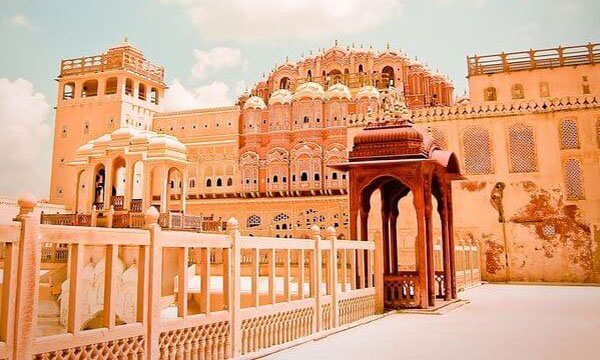
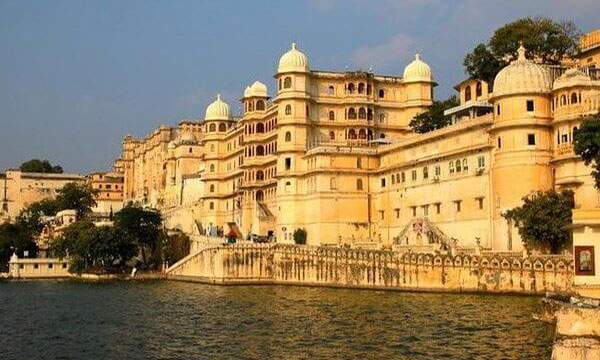
After breakfast in the morning, you will check out and go to Jaipur. The 180-kilometer journey will be completed in about three hours. As soon as you arrive at your hotel, check in. Following a hearty lunch, you will proceed to explore Jaipur's most well-known sites, including the Museum, City Palace, Jantar Mantar, and Hawa Mahal. The shopping in this city is another factor that contributes to its fame. Due to the quantity of rare stones and handicrafts, the culture is far more alive than typical when you visit the "Jaipuri Bazaar."
Return to the hotel to spend the remainder of the evening unwinding.
Day 10: Jaipur – New Delhi (170 miles/6 hour drive)
After breakfast, it's time to leave the hotel. See the Amer Fort, which was once the residence of the Rajput Maharajas and their families. A total of four stories make up this opulent palace. This place is not only a hill fort but also a World Heritage site. This is followed by another five to six hours of driving over 275 kilometers to India's capital, New Delhi.
Day 11: New Delhi – Nagpur – Pench (Flight + 62 miles drive/2 hours)
Guests must check out of the Delhi hotel. You must travel to the Domestic Terminal at the New Delhi Airport in order to take an internal aircraft from New Delhi to Nagpur. Our agent will meet you when you get to Nagpur and arrange for transportation to and from the airport to Pench National Park. It should take roughly two hours to drive this distance, which is 62 miles or 100 kilometers. As soon as you arrive, check in with your lodge.
We will begin our afternoon safari after lunch. When the sun has set, return to the Lodge. In addition to dinner, the Lodge offered overnight accommodations.
Day 12 & 13: Pench National Park
You should take the park safari in the morning and the afternoon on both days. Accommodation at the Lodge for two days, which includes breakfast and dinner.
Since it is one of the most beautiful parks in central India, the word "Pench" connotes tranquility and beauty. In addition to Kanha, it facilitates tigers' migration and sustains a flourishing cat population. There are also a lot of leopards and a remarkable number of different kinds of birds. The eastern half of the park and the western half are divided by the River Pench. An excellent chance to witness the forest's transition into its nocturnal state is as the sun sets. Numerous nocturnal animals and birds that are active after dark can be found in the Pench forest.
Day 14: Pench – Kanha National Park (130 miles/4 hours)
Tour the park with a guide first thing in the morning. After returning to the lodge for breakfast, rest for a while. Following lunch, we'll travel toward Kanha National Park. The trip to this location, which is 210 kilometers from Pench, will take you about four to five hours. When visitors arrive, they will be taken directly to the Kanha safari lodge. You can spend the remainder of the day as you choose, or you can even go to the local indigenous people's hamlet and talk to them.
Day 15 & 16: Kanha National Park
You should go on a tiger safari in Kanha National Park early in the morning and at evening on both days.
Because it served as the inspiration for Rudyard Kipling's beloved novel The Jungle Book, it is among the most well-known destinations on the Golden Triangle tour that includes a tiger safari. One of India's biggest and most exquisite parks is Kanha. A wide variety of animals can be seen there as well. In addition to the many different types of plants and animals that can be found there, it is among the best places to see tigers. Kanha is home to a number of bodies of water, which draw a substantial number of both permanent and migratory birds. The dense forest that gradually gives way to grassy meadows creates an amazing sight. You will receive your breakfast on the bonnet of your jeep from park personnel.
Refresh yourself at the lodge after the safari in the morning. It's time to begin your afternoon safari in Kanha National Park's pristine surroundings after a relaxed lunch.
Day 17: Kanha – Bandhavgarh National Park (6-hour drive)
Travel back to the lodge after your early-morning safari. Following an early lunch, you should depart the hotel and begin the six-hour drive to Bandhavgarh National Park. It should be early evening when you arrive in Bandhavgarh. You have the rest of the day to do as you like after you have checked into your Safari Lodge.
Day 18 & 19: Bandhavgarh National Park
On both days, you will have the opportunity to embark on a tiger safari in Bandhavgarh in the morning and the afternoon.
In addition to being one of Central India's most beautiful parks, Bandhavgarh has a rich and lengthy past. The fort that rises above the surrounding forest is the reason the park was named after it. Take an exhilarating ride in the park in the morning, and then return to the lodge in the late afternoon.
Since this park is so well-known for the high tiger density that exists within its dense sal and bamboo trees, it is somewhat strange to visit and not see any tigers. In addition to being a great place for tigers to roam, Bandhavgarh is also home to the leopard, another large cat species. Among the dense foliage in the treetops, one can spot these elusive creatures as well as a range of resident and migratory bird species. Wild boars, sloth bears, porcupines, foxes, monkeys, and many other species are among the many free-ranging animals that call the park home.
Day 20: Bandhavgarh – Jabalpur – New Delhi (136 miles drive + flight)
Get up early since Bandhavgarh features a tiger safari in the morning that you won't want to miss. Before you have to check out, make sure you return to the lodge in time for breakfast. A chauffeur-driven vehicle will be provided to you so that you can go from Bandhavgarh National Park to Jabalpur Airport. A total of 220 kilometers will be covered in around four hours of travel.
Head to the Jabalpur airport to catch your flight to New Delhi. As soon as you reach the Domestic Terminal in New Delhi, one of our representatives will meet you at the airport. He will help you check into your room at the hotel in Delhi.
Day 21: Fly Back To New Delhi
After an early breakfast, proceed to the New Delhi Airport's International Terminal to catch your subsequent journey home.
- Accommodation in New Delhi, Agra, and Jaipur, on bed and breakfast basis
- Accommodation in Corbett, Ranthambore, Pench, Kanha, and Bandhavgarh on room, all meals and safari basis
- Your park entrance fee and guide charges in Corbett, Ranthambore, Pench, Kanha, and Bandhavgarh
- 05 Jeep safaris with 03 other guests in Corbett National Park
- 05 Jeep safaris with 03 other guests in Ranthambore National Park
- 05 Jeep safaris with 03 other guests in Pench National Park
- 05 Jeep safaris with 03 other guests in Kanha National Park
- 05 Jeep safaris with 03 other guests in Bandhavgarh National Park
- Transfers from / to the airport
- Meet & greet at Delhi airport
- All arrival, departure, sightseeing as per above itinerary by air-conditioned car with English speaking driver
- English speaking accompanying guide during the tour
- Elephant ride at Amer Fort, Jaipur
- Complimentary One bottle Mineral water per guest per day
- Exclussive: Cycle-Rickshaw ride through the ancient bazaar of Old City in Delhi
- Battery Van on both the side at UNESCO World Heritage Site, Taj Mahal
- All applicable service fees and taxes
- Any personal expenses (Phone Calls, Laundry Service, Drinks, In-room minibar, Tips, etc.)
- Any entrance fee / Rides
- Any meals apart from mentioned above
- Domestic/International Airfare
- Additions to the entrance to the monument
- Travel Insurance
- Visa Fees
- Costs in case of hospitalization or evacuation, etc.
- Tipping and Porter service
- Any other service not listed in "INCLUSION"
- Tour Range
- Trip Type
- Pickup City
- Drop City
- Departs
- Group Size
- Hotel Rating
- Tour Guide
- Meals
- Visiting
- Country
- Recommended
- Duration
- :
- :
- :
- :
- :
- :
- :
- :
- :
- :
- :
- :
- :
- Signature
- Escorted Group Tour
- Delhi
- Delhi
- Every Saturday
- Min.02 / Max.24
- 3*, 4*, 5* Hotels
- Escorted by a Tour Guide
- Breakfast
- Delhi, Agra, Jaipur, Corbett, Ranthambore, Pench, Kanha, and Bandhavgarh National Parks
- India
- For Families, Youth & Senior Citizens
- 21
Book by phone
+91-7303039611 Monday to Saturday 9:00 AM - 6:00 PMGroup Tour Packages
Explore the world together with our unforgettable group tour packages, where adventure, bonding, and new experiences await every step of the way!